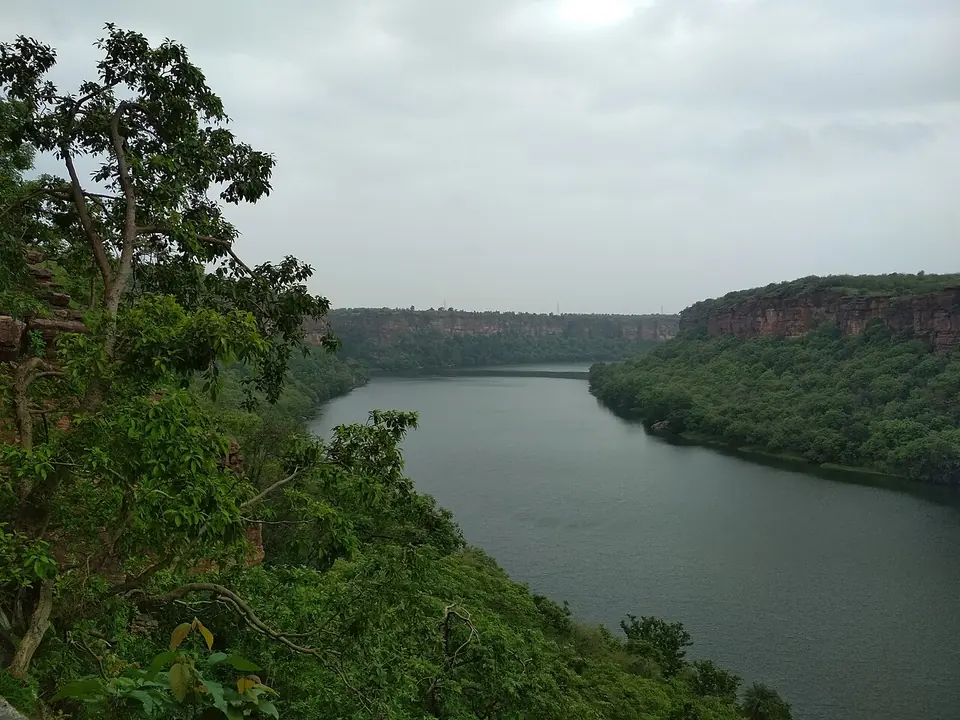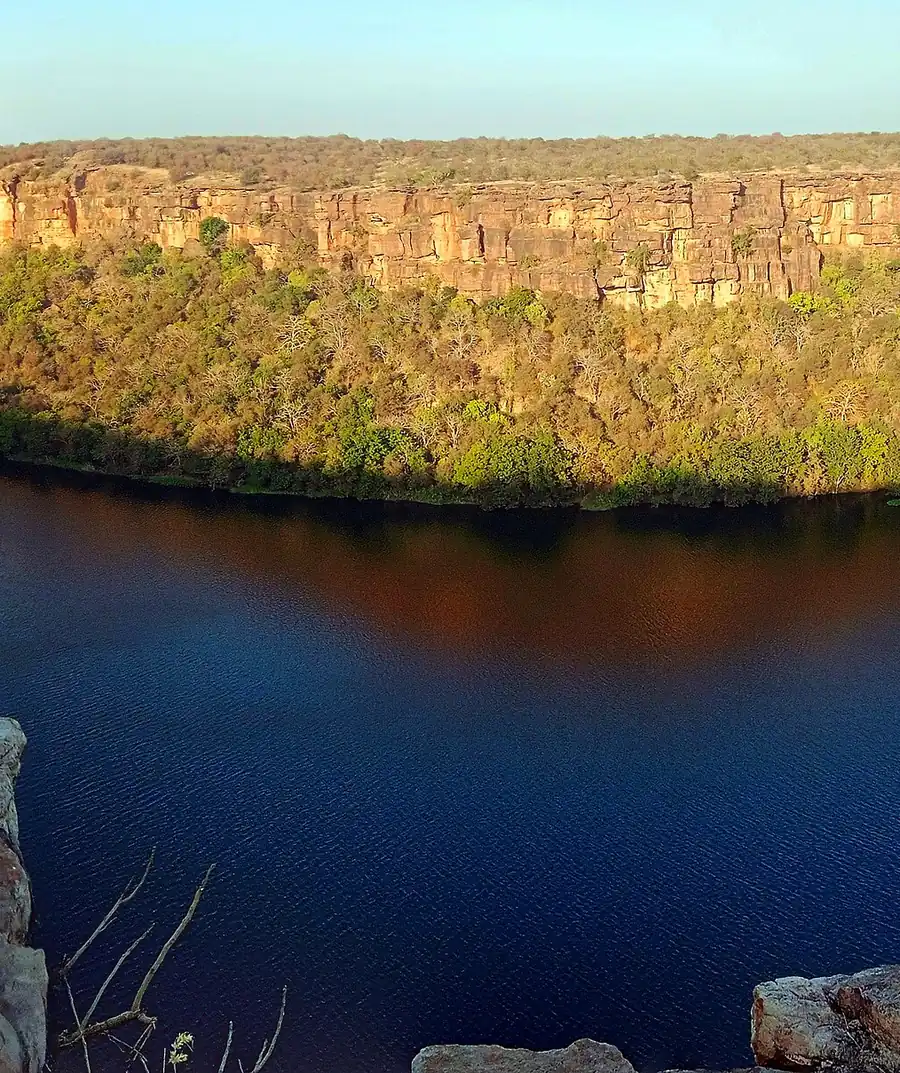
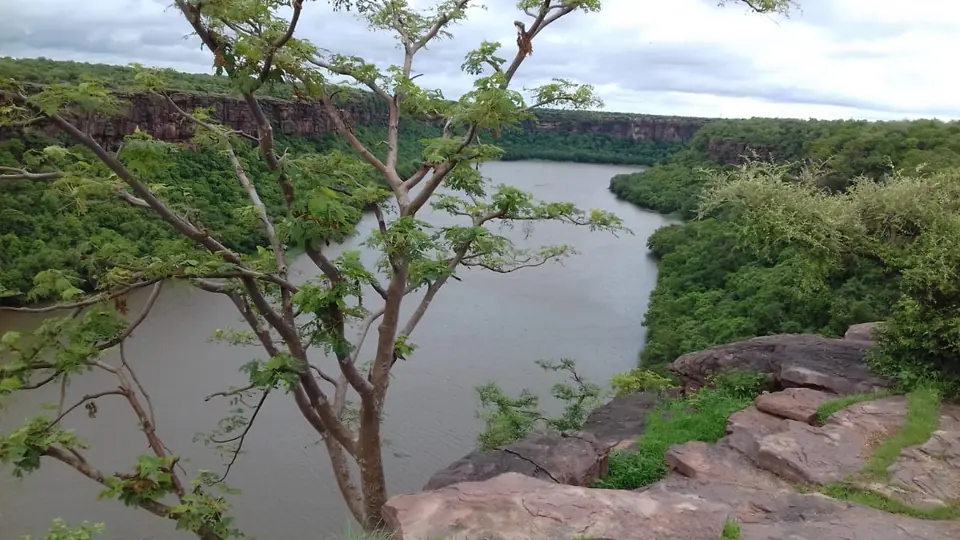
The Chambal river curving through a horseshoe gorge of sandstone cliffs and dry forest at Garadiya Mahadev, Mukundara Hills Tiger Reserve

Mukundara National Park · MHTR · Kota · Rajasthan

Mukundara Hills Tiger Reserve

Tigers returning after half a century, the Chambal's deepest gorge and fifteen centuries of history — an hour from Kota. Come for a tiger safari by jeep or canter, a boat safari on the Chambal, wildlife trails and the painted rock shelters of the Chambal valley.

Tigers 7 (mid-2026) Area 759.99 km² Birds 225+ species 24.87° N, 75.86° E

Chambal gorge, Garadiya · Photo: Vishalamu81, CC BY 4.0

Plan your safari with usDates, permits, jeep or canter, itineraries — ask directly.
Call+91 77373 39915 Emailwildlifectp@gmail.com

Experiences

Four ways into Mukundara

Search for a tiger in the old hunting valleys of Darrah, drift beneath vulture cliffs on the Chambal, walk the gorges and winter wetlands, and finish at rock shelters painted thousands of years ago.

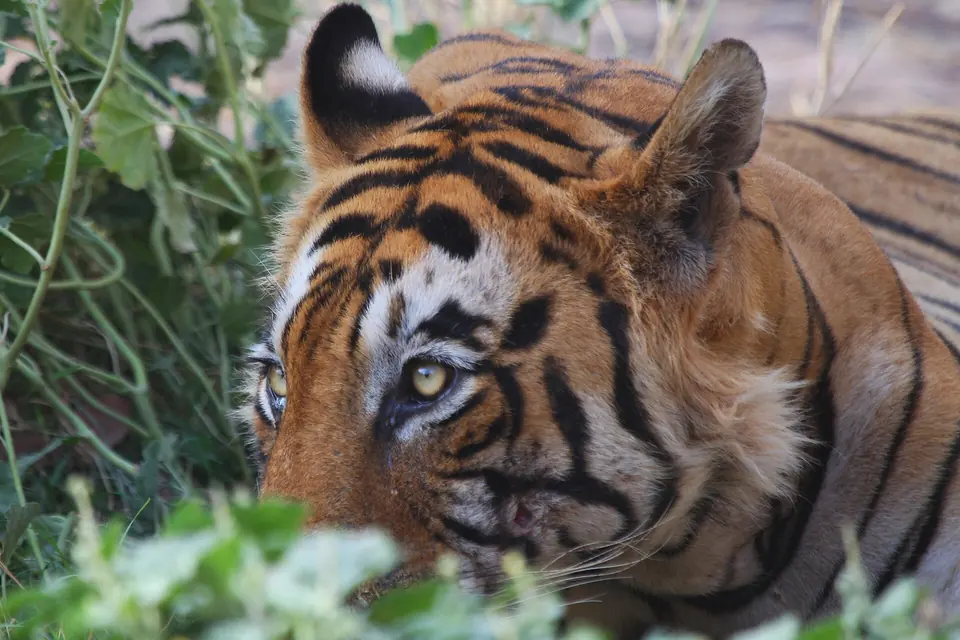
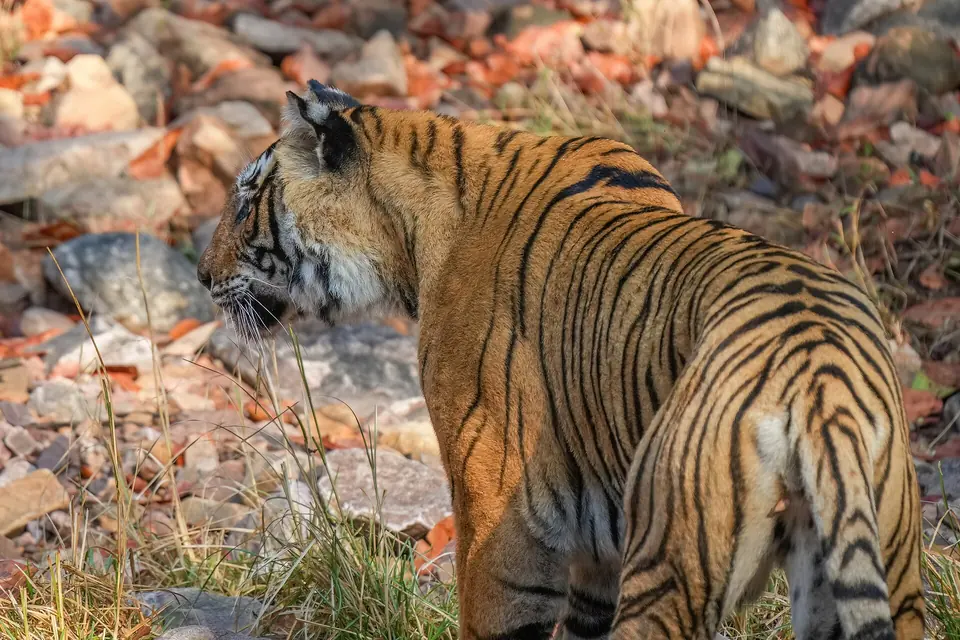
01 · Tiger SafariA Bengal tiger walking through dry forest

Jeep · Canter · Darrah & Kolipura ranges

Tiger Safari

Open-jeep and canter safaris through Mukundara Hills Tiger Reserve, where tigers from Ranthambhore and Bandhavgarh are rebuilding a population. Leopards, sloth bears and wolves make every drive worthwhile.
  • Jeep · 6 seats
  • Canter · 20 seats
  • Morning & afternoon
  • Oct – Jun
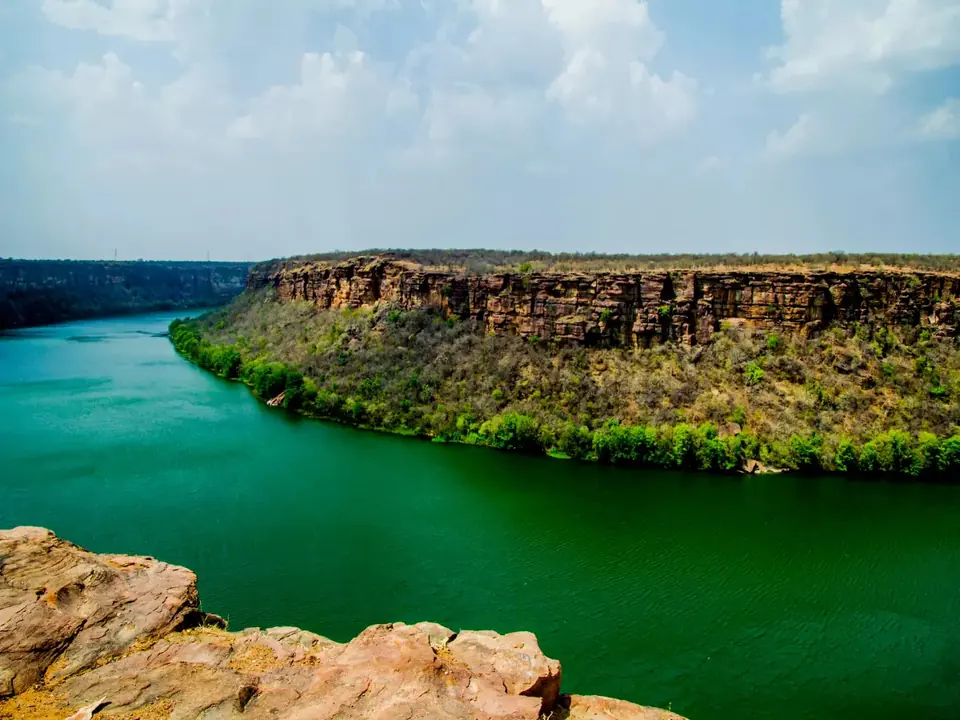
02 · Chambal SafariGreen water of the Chambal river below sandstone cliffs near Kota

Boat safari · Kota · Chambal gorge

Chambal Safari

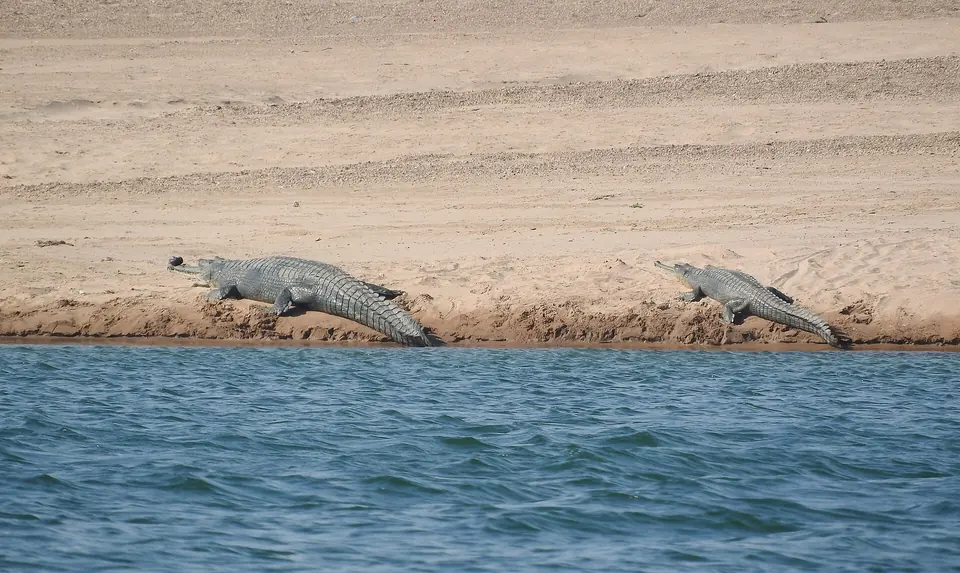
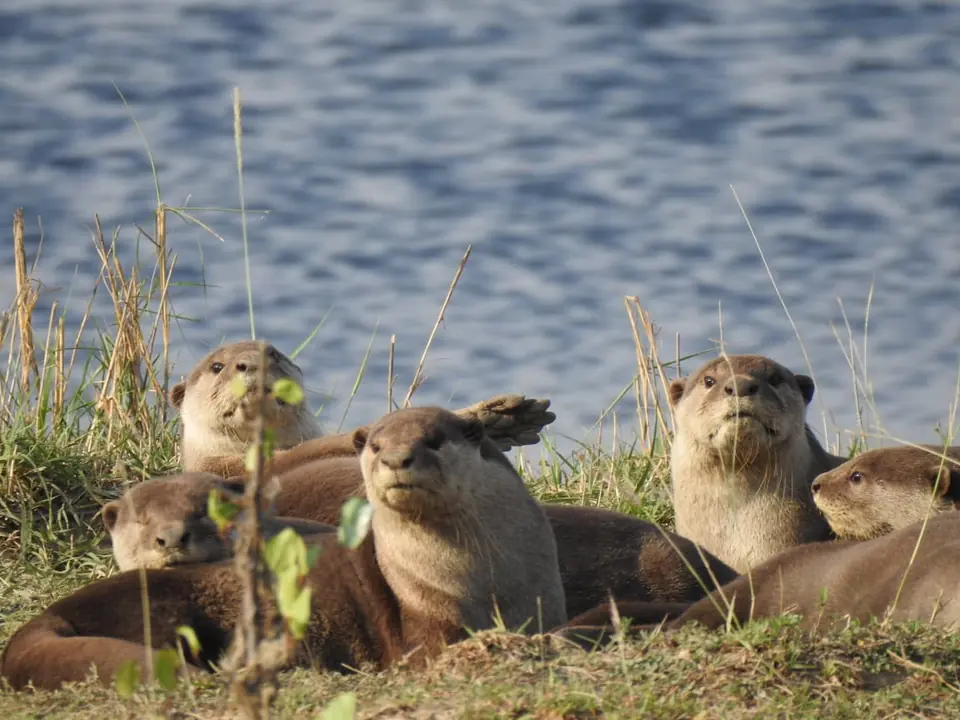
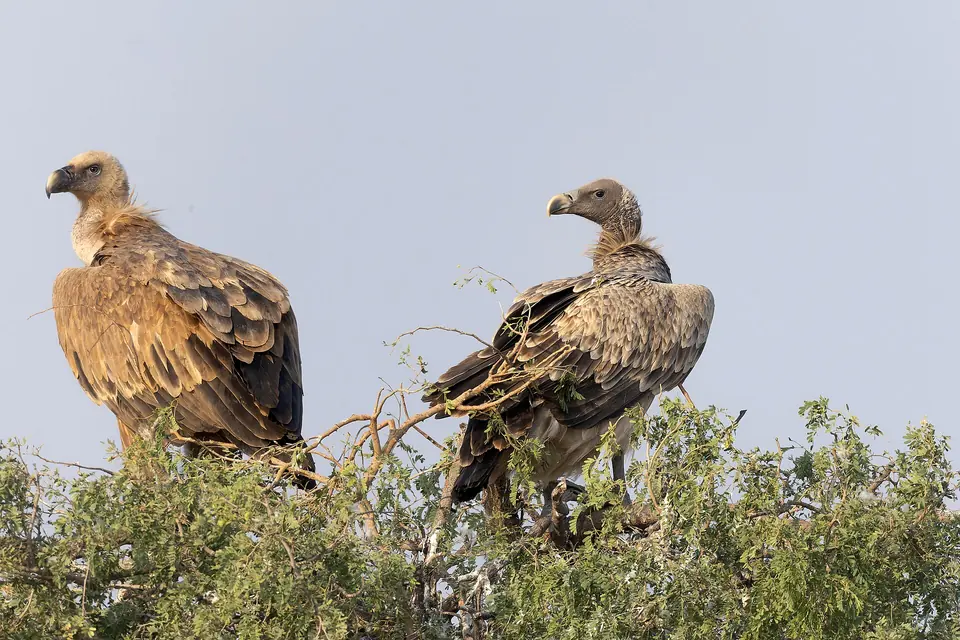
A forest-department boat trip into the Chambal gorge — gharial and mugger on the sandbanks, smooth-coated otters in the shallows, eagle-owls and vultures on red sandstone cliffs.

  • By boat
  • ≈ 2 hrs
  • Best Oct – Mar
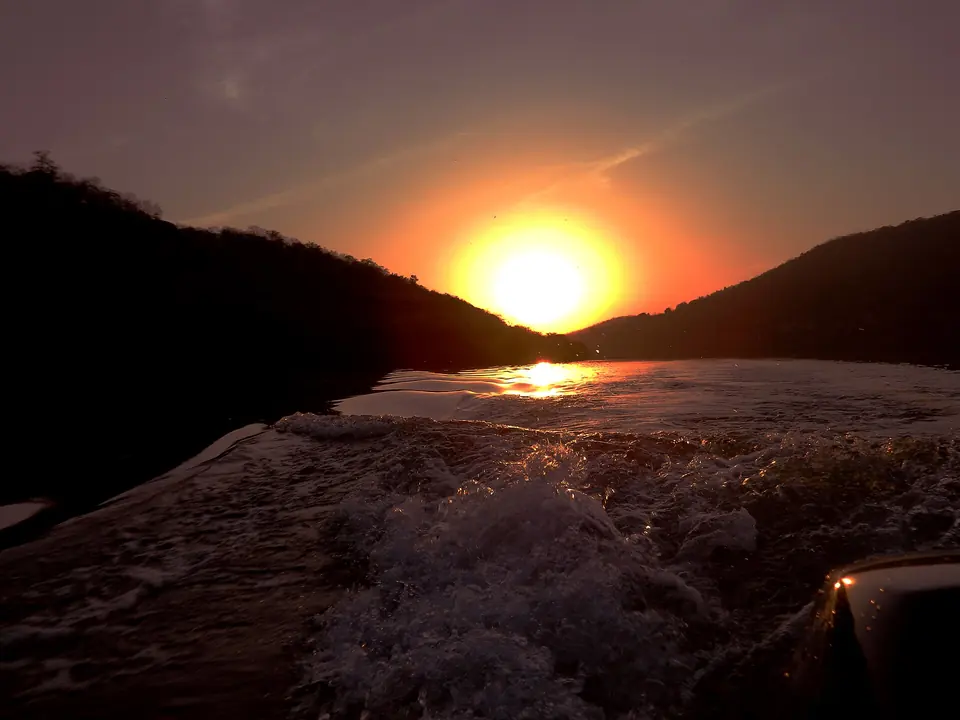
03 · Wildlife AreasThe Chambal river bending through a forested gorge

Trails & walks · Gorges · Wetlands

Wildlife Areas, Trails & Walks

Gorge-rim walks at Garadiya Mahadev and Gaipernath, crocodiles at Sawan Bhadon, otters on the Jawahar Sagar stretch and winter wetlands full of migrants — and, beyond Mukundara, Ramgarh Vishdhari and the grasslands of Sorsan.

  • On foot
  • Easy – moderate
  • Birds Nov – Feb
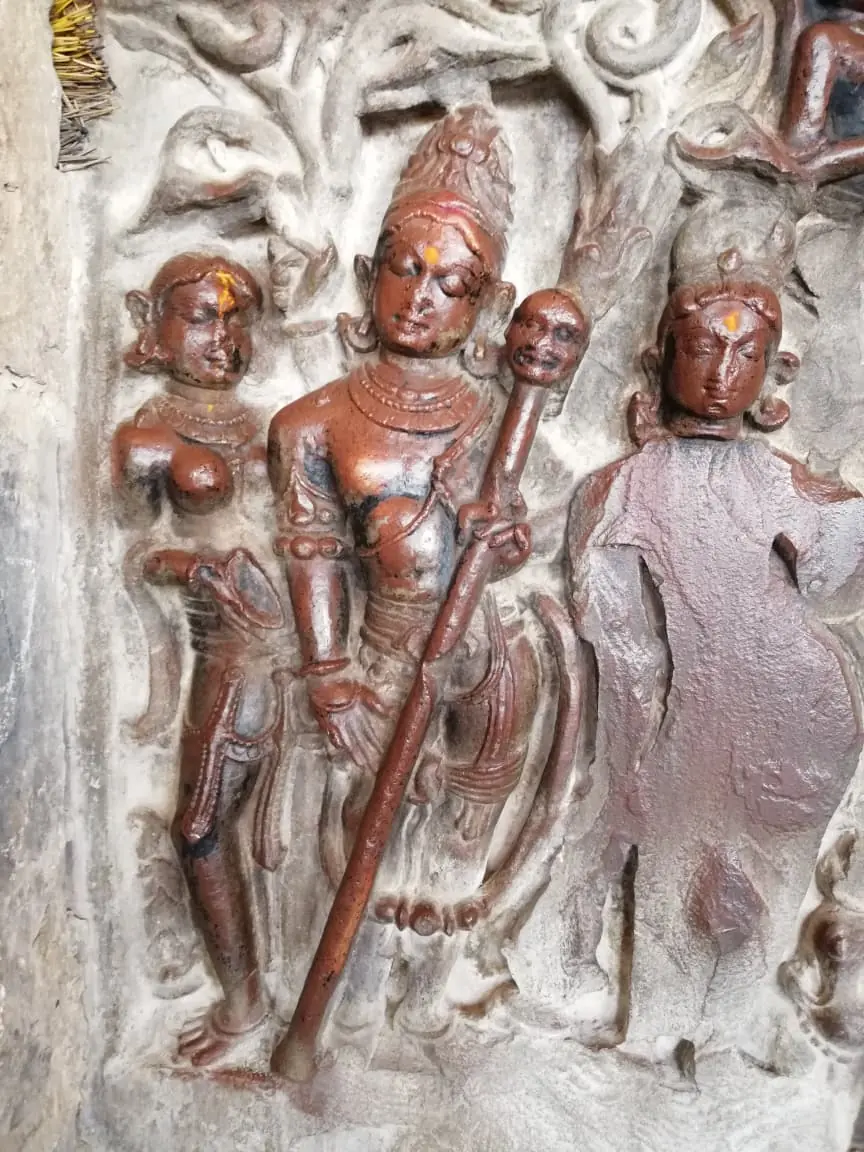
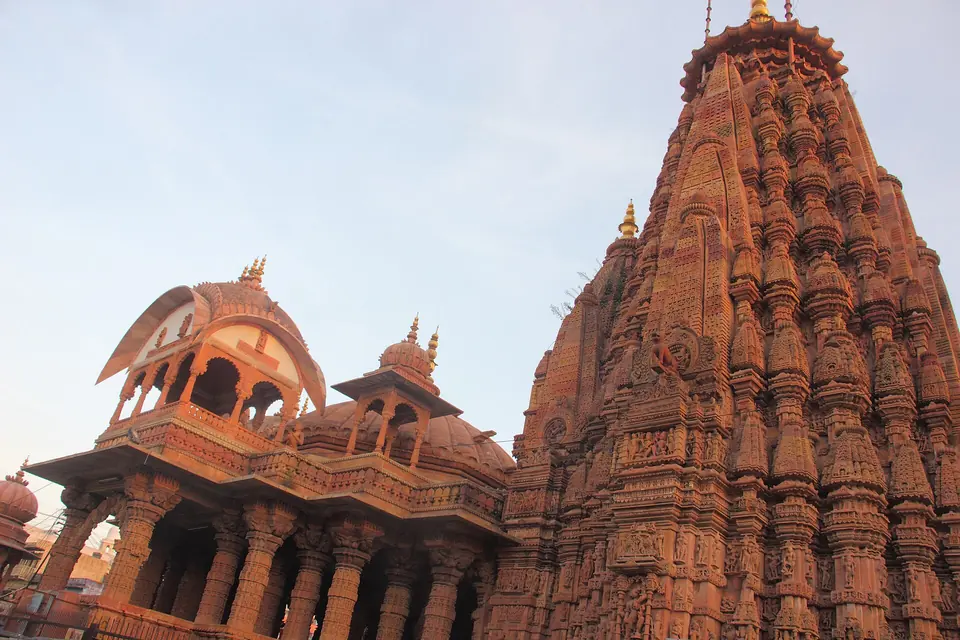
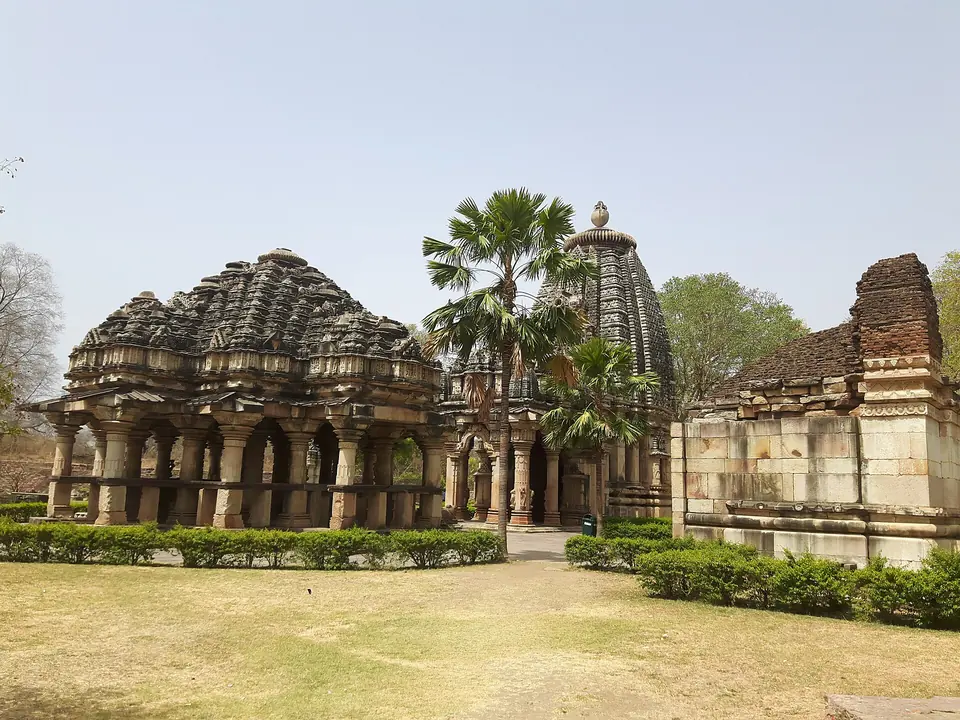
04 · Heritage & Rock ArtA carved stone panel of deities from a ruined temple in Mukundara

Rock paintings · Forts · Temples

Heritage & Rock Paintings

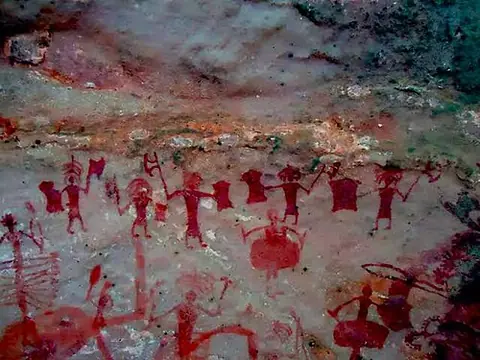
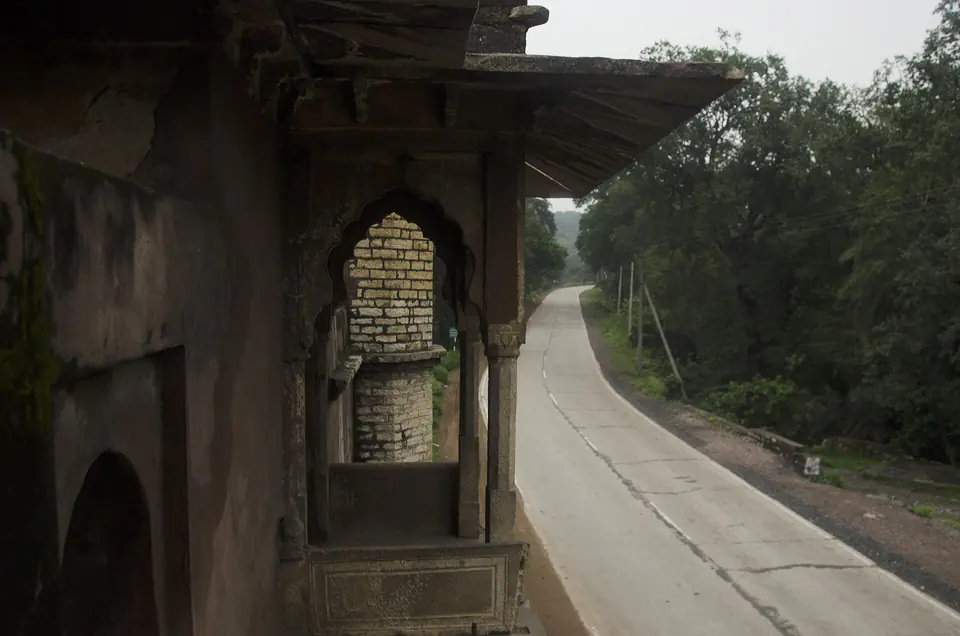
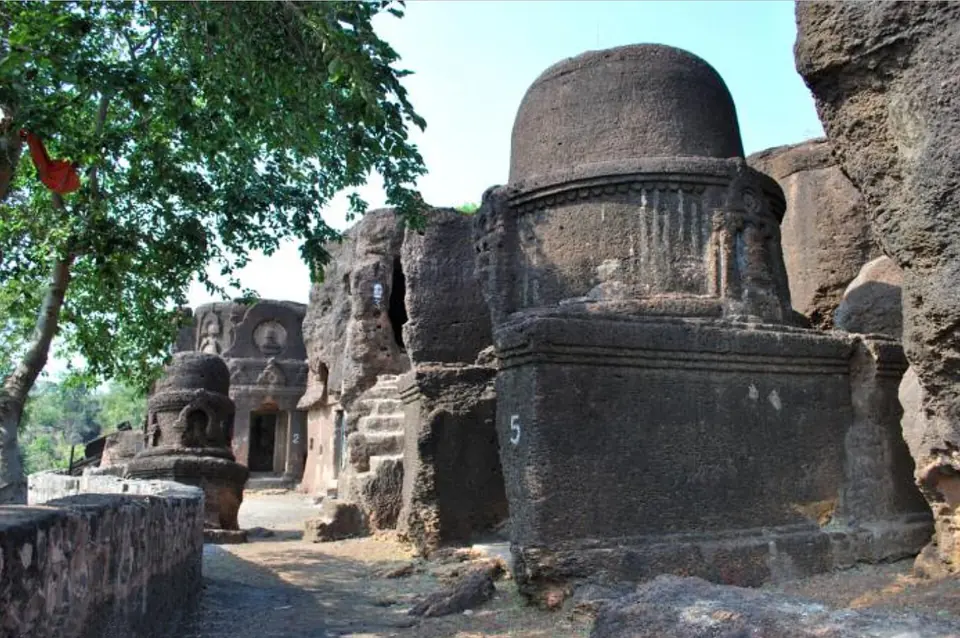
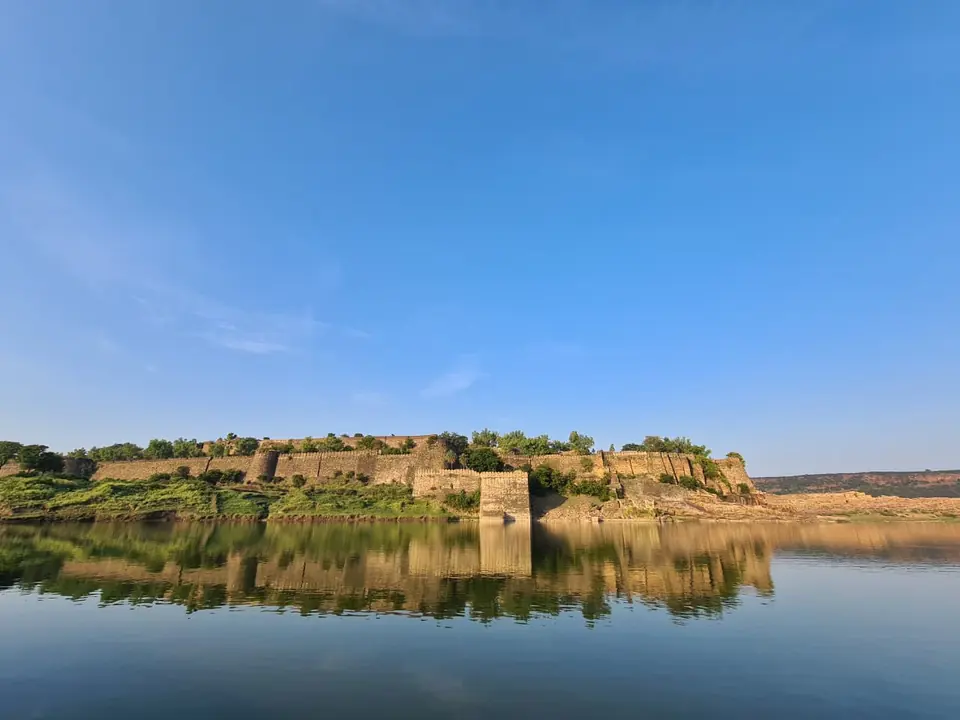
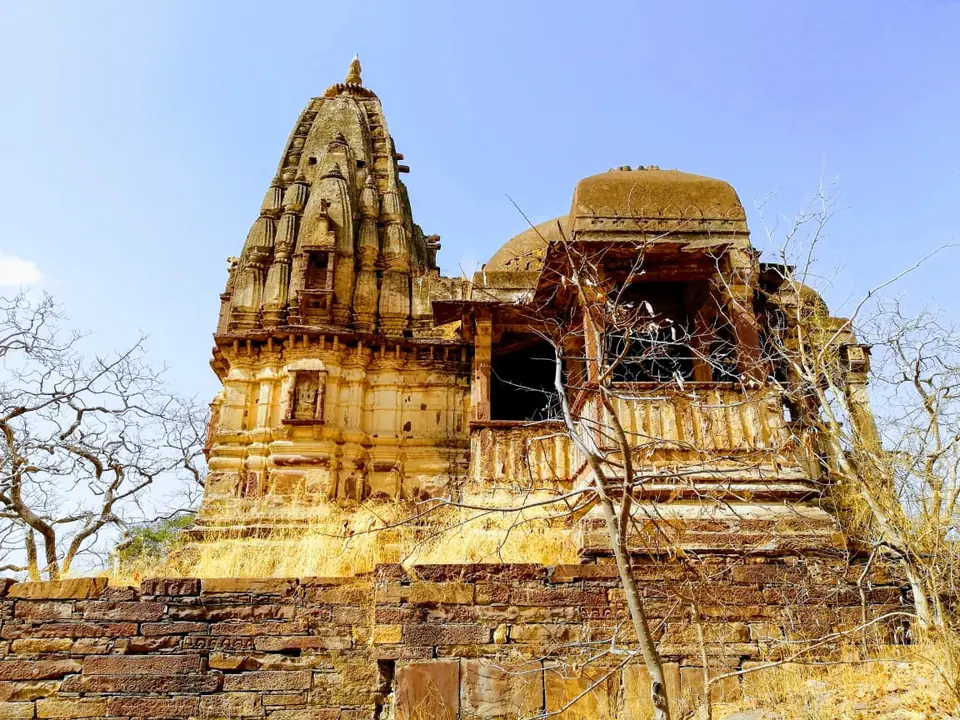
Painted shelters of the Chambal valley on UNESCO's Tentative List, the 5th-century ruins of Bhim ki Chauri by the safari gate, the water fort of Gagron, Buddhist caves at Kolvi and the temples of Baroli.

  • Guided visits
  • Half or full day
  • Best Oct – Mar
Close portrait of a Bengal tiger in grass
A Ranthambhore tiger — most of Mukundara's tigers share this bloodline. Photo: Swapnil V. Bhende, CC BY-SA 4.0

Tiger Safari · Jeep & Canter

Choose your safari: jeep or canter

Safaris are run by the Rajasthan Forest Department on fixed routes in the Darrah and Kolipura ranges, in two slots a day. Pick the vehicle that suits your group — the forest, and the chance of a tiger, are the same.

Up to 6 guests

Open jeep (Gypsy)

Quieter and more flexible, low to the ground for photographs. Best for couples, families and photographers.

Up to 20 guests

Canter

A larger open-top vehicle with a higher seat and a steadier ride, usually cheaper per seat. Best for groups and school parties.

  • Morning ≈ 6 – 9 am
  • Afternoon ≈ 3 – 6 pm
  • Monsoon usually closed Jul – Sep

By mid-2026 the reserve held seven tigers — two males, four females and a cub born here. Sighting chances are very good, and leopards, sloth bears and deer make every drive worthwhile. Meet the tigers →
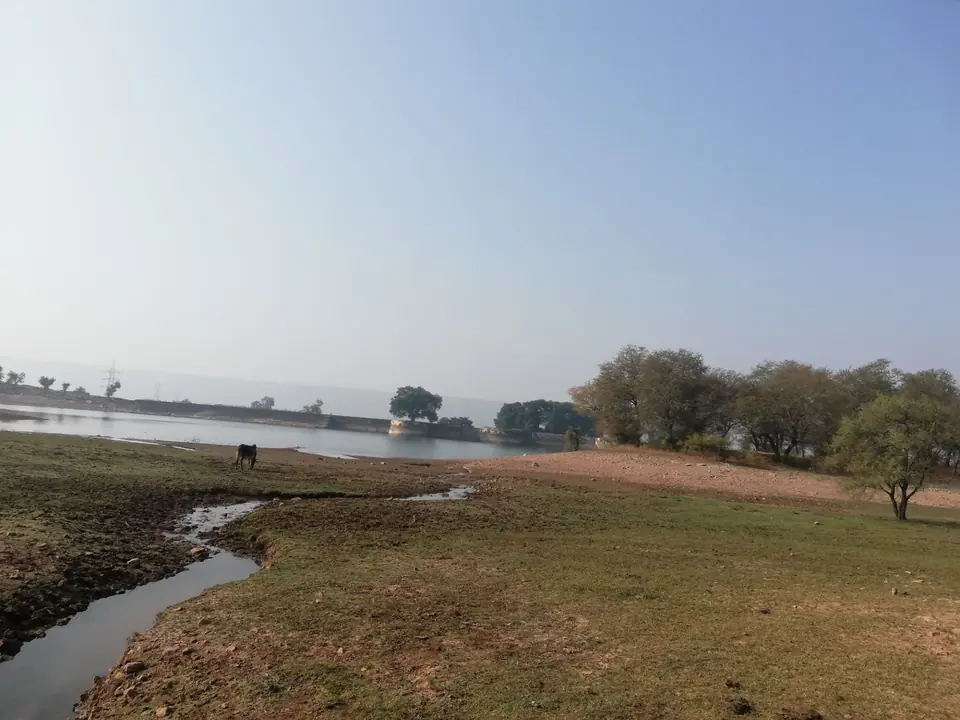
Other wildlife sightings

Beyond the tiger

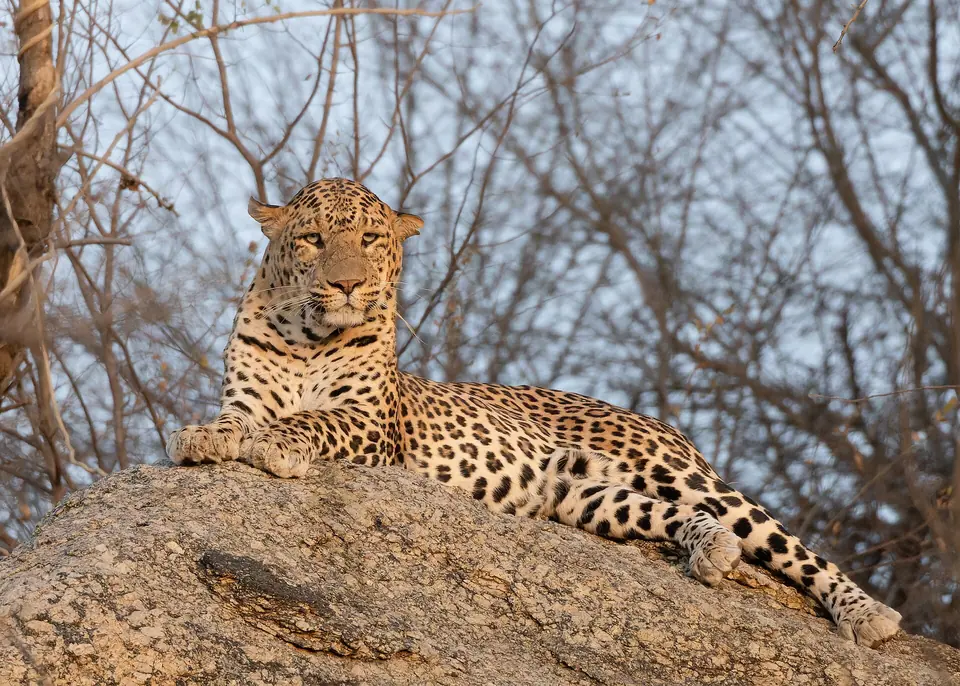
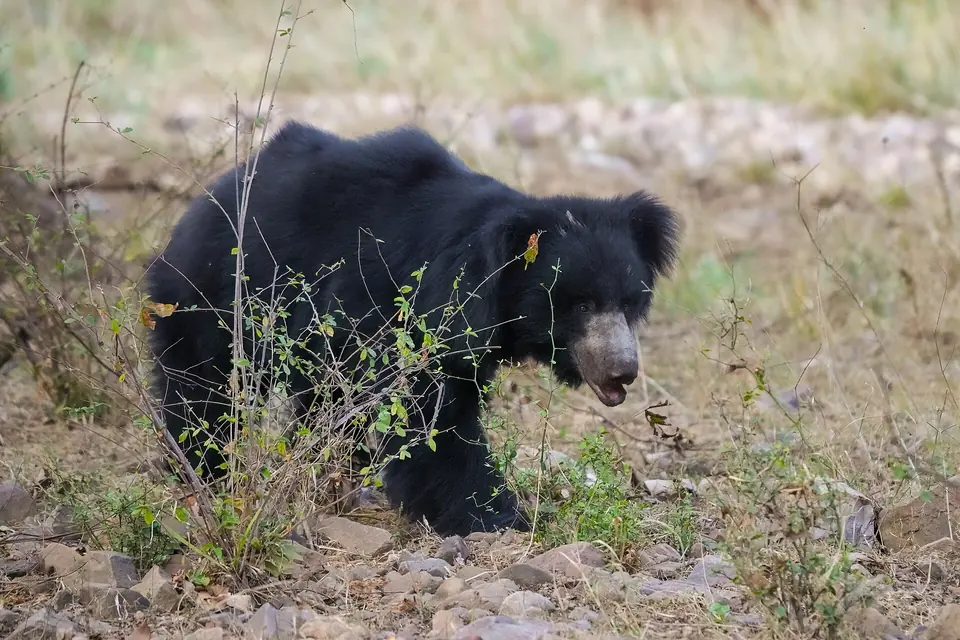
Most days in Mukundara are made by the supporting cast — a leopard on a ruined wall, a sloth bear on a rocky slope, otters in the Chambal, vultures riding thermals above the gorge. Here is what to look for, and where.

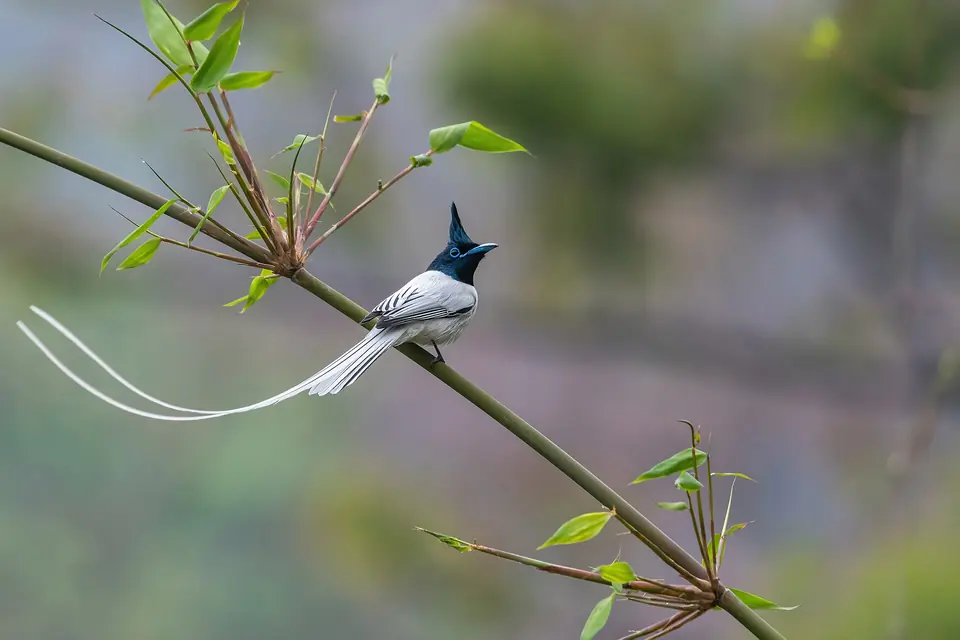
Also look for: sambar · chital · chinkara · nilgai · wild boar · Indian wolf · striped hyena · jungle cat · Bonelli's eagle · eagle-owls · brown fish owl · Alexandrine parakeet · sarus crane

Wildlife guide & sighting calendar

Sightseeing · Heritage & rock art

Rock paintings, river forts and temples

Mukundara sits at the heart of Hadoti, where the Chambal and its tributaries carved the shelters of Stone Age painters and drew builders from the Guptas to the Rajput kings of Kota and Jhalawar.

All heritage & sightseeing

When to come

A year in Mukundara

Each season favours a different experience. Safaris in Rajasthan's tiger reserves usually pause for the monsoon, and dates can change — check with us before you plan.

Oct – Nov

After the rains

Tiger safari
Season reopens; forest still green and dense
Chambal
River settling, soft light on the cliffs
Trails
Gorges at their greenest; first migrants
Heritage
Clear skies, comfortable days

Dec – Feb

Winter

Tiger safari
Cold dawns (below 8 °C) — bring layers
Chambal
Best season: basking crocodiles, otters
Trails
Wetlands full of migrants; sarus crane
Heritage
Ideal for long days at Gagron and Kolvi

Mar – Jun

Summer

Tiger safari
Best for waterhole sightings; 40 °C+ by May
Chambal
Go early in the morning
Trails
Palash and semal in flower in March; walk at dawn
Heritage
Start early, finish by midday

Jul – Sep

Monsoon

Tiger safari
Core-zone safaris usually closed
Chambal
May stop when the river is high
Trails
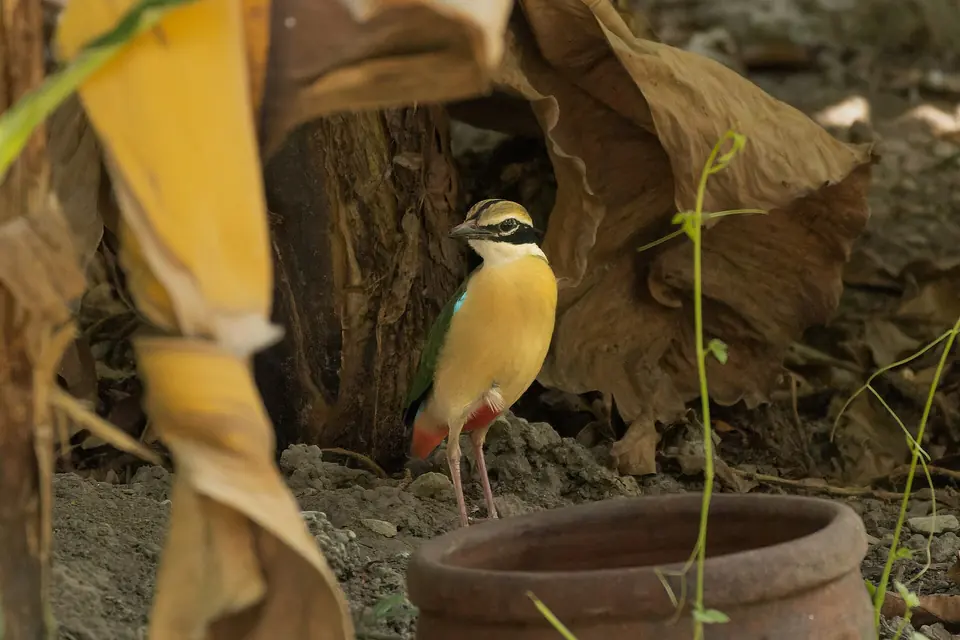
Waterfalls at Gaipernath and Chuliya; Indian pitta
Heritage
Garadiya and Gagron wrapped in green

The comeback

A tiger reserve that had to earn its tigers

Hadoti's original tigers were hunted out by 1984. In July 2003 a wandering Ranthambhore male known as Broken Tail was killed by a train near Darrah — proof that tigers could still find their way here along the hills and rivers. Mukundara became a tiger reserve on 9 April 2013; the first relocated tigers arrived in 2018 and most were lost by 2020.

Since late 2022 a second, more careful recovery has taken hold — tigers from Ranthambhore, an orphan rewilded at Kota's Abheda Biological Park, and in 2026 a tigress from Bandhavgarh. It has made Mukundara a living laboratory:

  • Tiger translocation and rewilding, 2018–2026
  • Cliff-nesting colonies of the critically endangered Indian vulture
  • Smooth-coated otters, gharial and mugger in the Chambal
  • Rock-art shelters on UNESCO's Tentative List (2024)
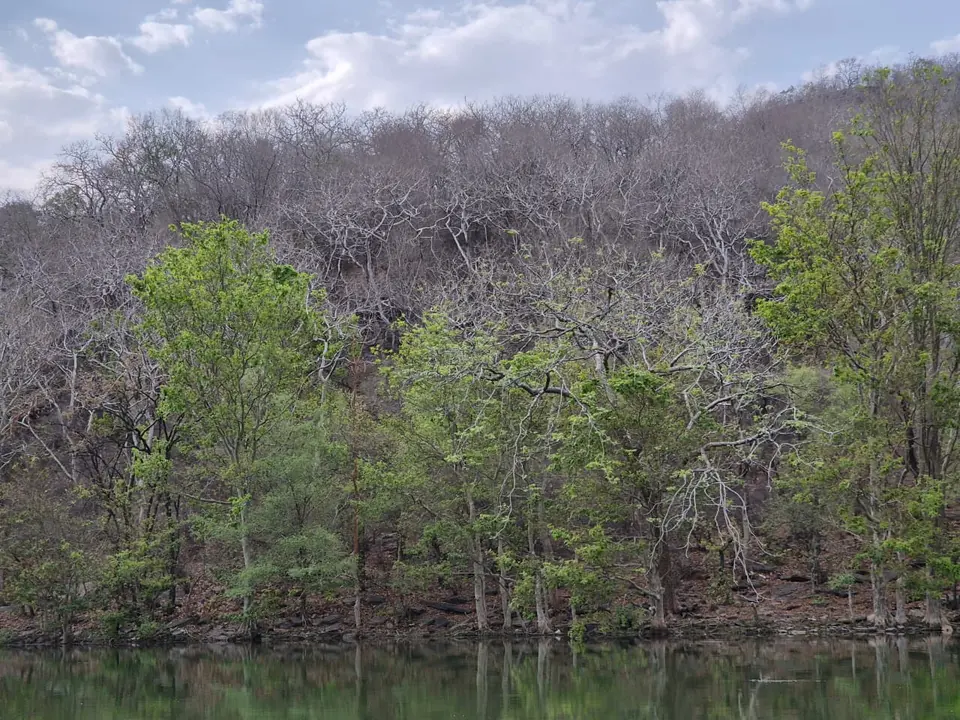
Dry deciduous forest on a ridge above a river in Mukundara Hills
Dhok forest above the water — Mukundara Hills archive

Questions

Mukundara Hills Tiger Reserve — frequently asked

Where is Mukundara National Park?

Mukundara Hills National Park (2004) forms the heart of Mukundara Hills Tiger Reserve (MHTR), which lies just south of Kota in south-east Rajasthan across Kota, Bundi, Chittorgarh and Jhalawar districts. The main safari gate at Darrah is about 50 km from Kota on NH-52, the Kota–Jhalawar highway.

Are there tigers in Mukundara now?

Yes. After early setbacks, the reserve held seven tigers by mid-2026 — two males, four females and a cub born in the reserve — relocated from Ranthambhore and Bandhavgarh or rewilded from Kota. Sighting chances are very good — though, as with any wild tiger, never guaranteed.

Should I book a jeep or a canter for the tiger safari?

An open jeep (Gypsy) seats up to 6 guests and is quieter and more flexible — best for photographers, families and couples. A canter seats up to 20 — a larger open-top vehicle for groups and school parties, with a higher seat and a steadier ride, and it usually costs less per seat. Both run on the same forest-department routes and slots. Compare jeep and canter.

How do I book a tiger safari in Kota?

Safaris in Mukundara are run by the Rajasthan Forest Department from the Darrah and Kolipura ranges. Call or WhatsApp +91 77373 39915, or email wildlifectp@gmail.com, with your dates, group size and choice of jeep or canter, and we'll confirm availability and the current booking process.

What is the Chambal Safari?

A two-hour forest-department boat safari from Kota into the Chambal gorge, through the National Chambal Sanctuary and along the edge of MHTR — with gharial and mugger crocodiles, smooth-coated otters, eagle-owls and cliff-nesting vultures. Chambal Safari details.

Can I see rock paintings at Mukundara?

Yes. Painted rock shelters at Darrah, Gaipernath, Garadiya Mahadev, Jawahar Sagar and near Kolipura belong to the Rock Art Sites of the Chambal Valley, placed on UNESCO's Tentative List in 2024. Most are in protected forest and unsigned, so visit with a knowledgeable guide and never touch the paintings. About the rock paintings.

When is the best time to visit Mukundara?

October to March is the most comfortable and best for birds and the Chambal Safari. April to June is hot but good for waterhole sightings on tiger safaris. Tiger-reserve safaris in Rajasthan usually pause during the monsoon (July–September) — confirm before you plan.

What does MHTR stand for?

MHTR is the short form of Mukundara Hills Tiger Reserve (also spelt Mukundra Hills), notified on 9 April 2013. Its tigers carry “MT” numbers — MT-1 to MT-10 so far.

Talk to us

Plan your Mukundara visit

Tiger safari by jeep or canter, a Chambal boat safari, wildlife trails or a heritage and rock-painting visit — send your dates and group size by WhatsApp, phone or email and we'll help you plan it.

Chat on WhatsApp