Sighting planner

Which experience for which animal?

Wildlife is wild — nothing is guaranteed. These are honest chances for a visitor on a normal trip in the right season, so you can choose the safari, boat or trail that suits what you most want to see.

SpeciesBest chance onWhenChance
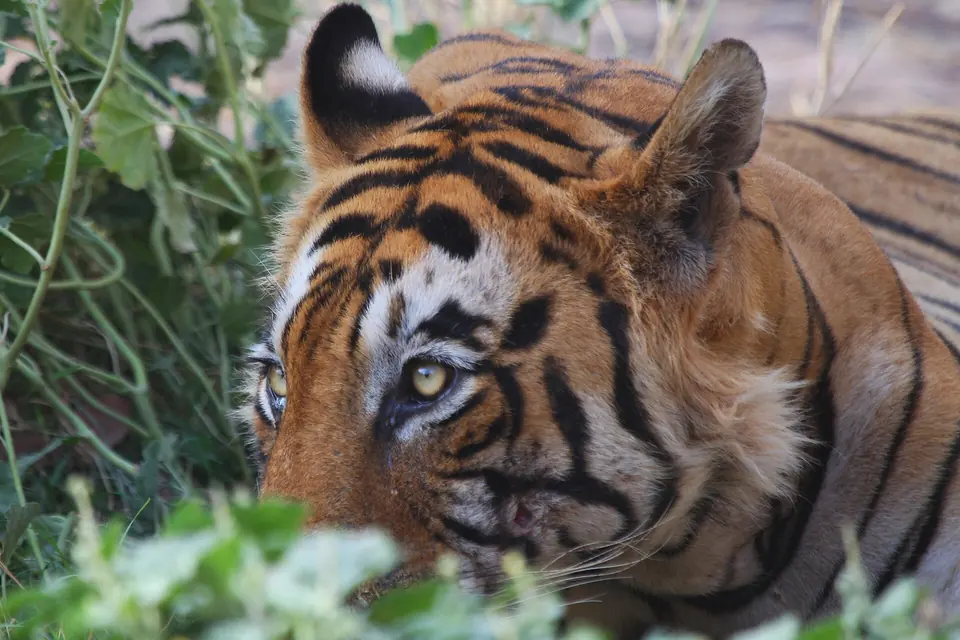
TigerTiger safari — Darrah & KolipuraMar – Jun at waterholes; cool mornings in winterVery good
LeopardTiger safari — rocky ridges, ruinsEarly morning & late afternoonGood
Sloth bearTiger safari — Darrah rangeMornings; near water in summerGood
Indian wolf, striped hyenaTiger safari — open plateausDawn & duskGood
Sambar, chital, nilgai, wild boarTiger safariYear-roundVery good
ChinkaraTiger safari — dry plateaus; SorsanYear-roundGood
BlackbuckSorsan grasslands (outside MHTR)October – MarchGood
Smooth-coated otterChambal safari; Jawahar Sagar – Bhainsrorgarh stretchWinter morningsGood
Mugger crocodileChambal safari; Sawan Bhadon damSunny winter morningsVery good
GharialChambal safari — National Chambal Sanctuary stretchDecember – March, baskingGood
Indian vultureGaradiya Mahadev, Gaipernath, Chambal cliffsMid-morning thermals; nesting in winterGood
Eagle-owls & brown fish owlChambal safari — gorge cliffsEarly morning & duskGood
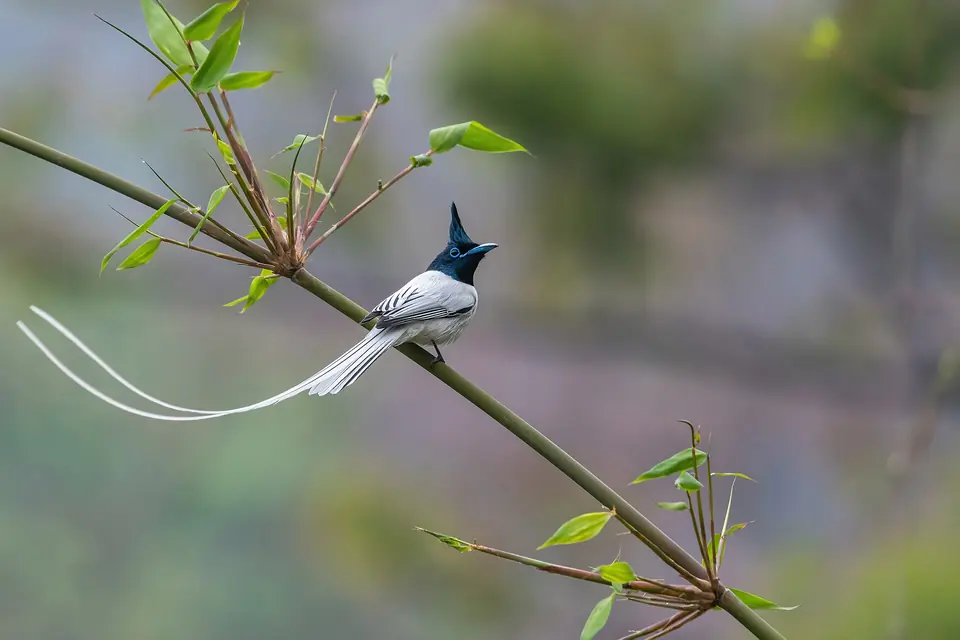
Indian pitta, paradise flycatcherShaded valleys and forest edgesMonsoonGood in season
Sarus crane & winter waterbirdsLaxmipura, Nolav, Girdharpura, ShripuraNovember – FebruaryVery good

Chance key: Very good seen on most visits · Good fairly good chance, often seen. No wild animal is ever guaranteed.

Big cats & carnivores

Tiger, leopard and sloth bear

Mukundara's predators share a long, narrow forest of twin ridges and gorges. Read the signs as you drive — pugmarks in the dust, a langur's bark, a sambar's alarm call — and you will often know a cat is near before you see it.

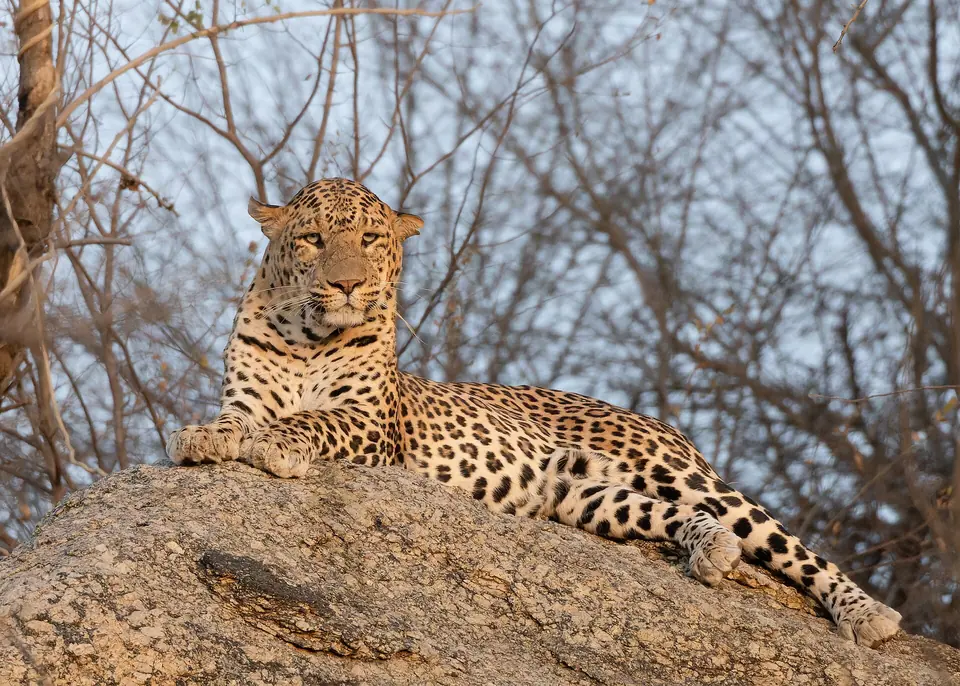
A leopard resting on a rock

Leopard

Panthera pardus

Mukundara's most widespread big cat — often draped over a boulder, a ruined wall or a ledge above a nala in the first hour of light.

See it onTiger safari · rocky ridges around Darrah

Photo: Tisha Mukherjee, CC BY-SA 4.0

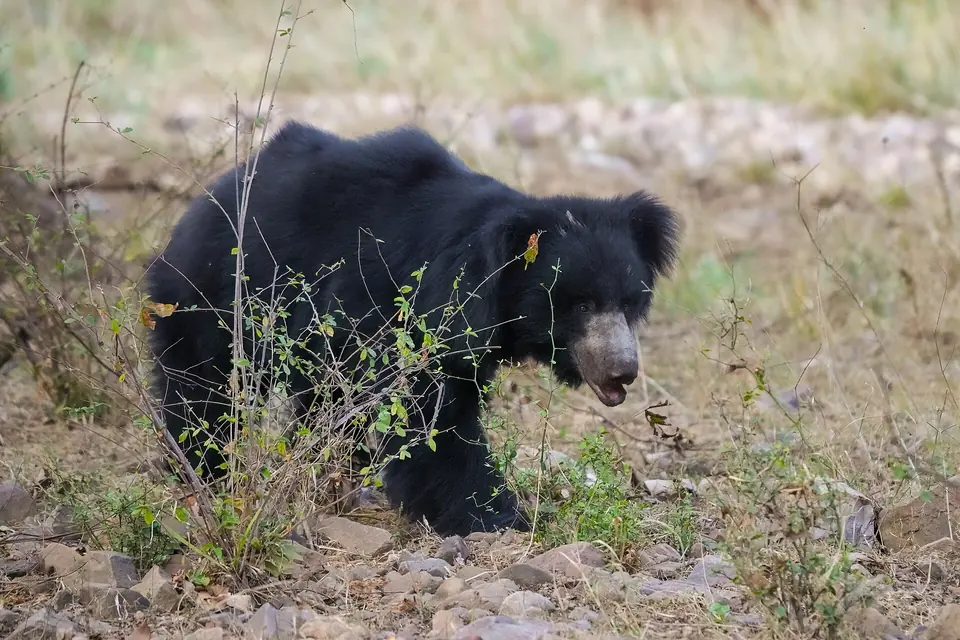
A sloth bear walking on a rocky hillside

Sloth bear

Melursus ursinus

Shaggy, short-sighted and surprisingly quick. Look on rocky slopes and around termite mounds in the Darrah range; in summer bears come to water early in the morning.

See it onTiger safari · Darrah range

Photo: Giles Laurent, CC BY-SA 4.0

Smaller carnivores

  • Indian wolf Canis lupus pallipes
  • Striped hyena Hyaena hyaena
  • Golden jackal Canis aureus
  • Jungle cat Felis chaus

Wolves and hyenas use the open plateaus and are mostly seen at dawn and dusk; jackals and jungle cats hunt along nalas and field edges. The dhole was recorded in Kota's forests until about 1920 and is now locally extinct.

Deer, antelope & monkeys

The prey a tiger landscape depends on

Sambar in the wooded valleys, chital near water, chinkara on the dry plateaus and nilgai almost everywhere in between. Rebuilding this prey base in the Darrah and Jawahar Sagar blocks is as important to Mukundara's recovery as bringing in tigers.

  • Sambar Rusa unicolor
  • Chital Axis axis
  • Chinkara Gazella bennettii
  • Nilgai Boselaphus tragocamelus
  • Wild boar Sus scrofa
  • Langur

For blackbuck, visit the Sorsan grasslands east of Kota, where they share open country with chinkara and winter birds.

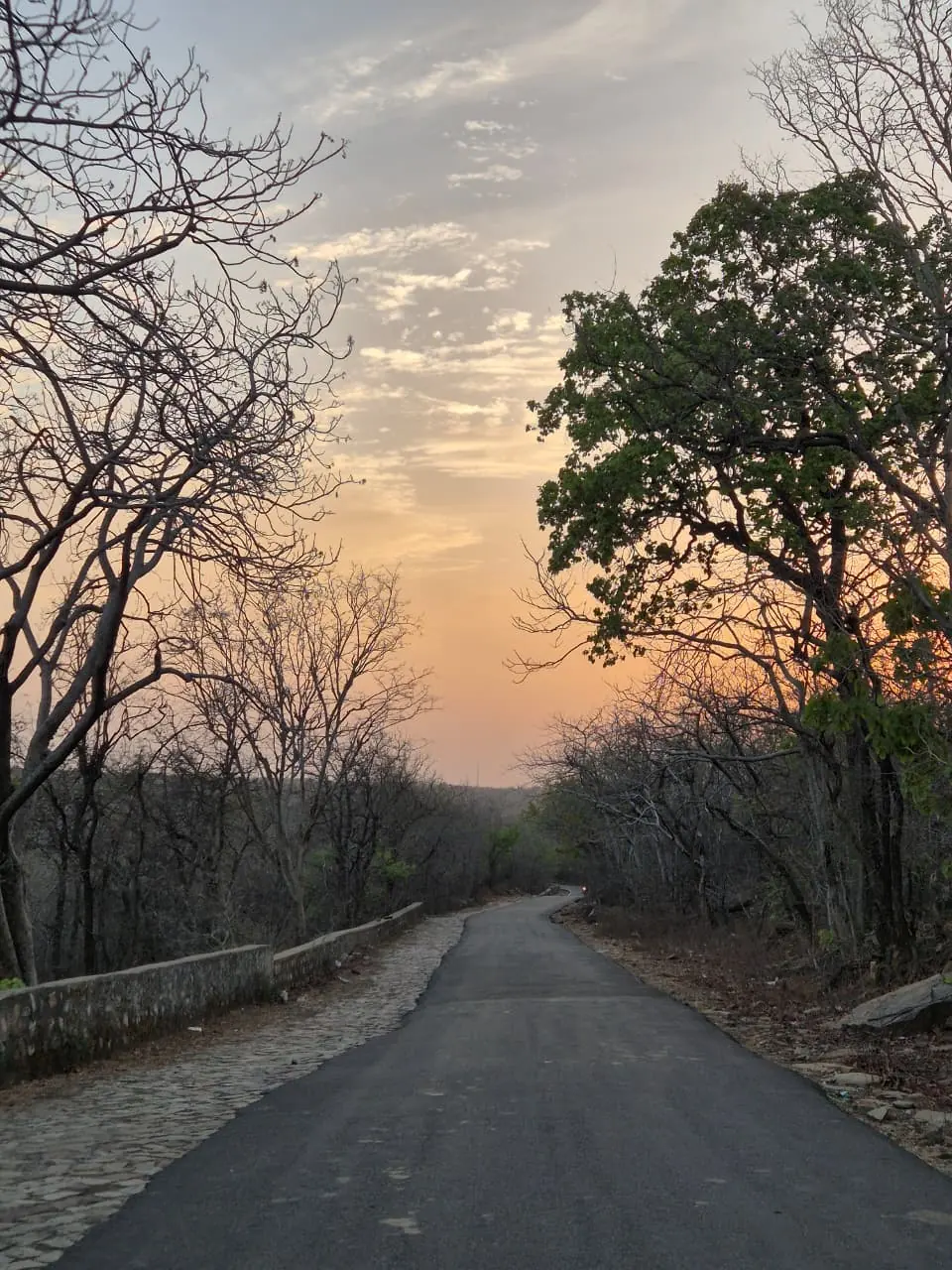
A forest road through dry deciduous woodland at dusk
A forest track at dusk, when deer move to water — Mukundara Hills archive

River life

Otters and crocodiles of the Chambal

The Chambal is one of India's cleanest rivers. Between Jawahar Sagar dam and Kota it is protected twice over — as part of the National Chambal Sanctuary and, along its cliffs, as part of Mukundara — and it is one of the easiest places in Rajasthan to watch otters and crocodiles on the same morning.

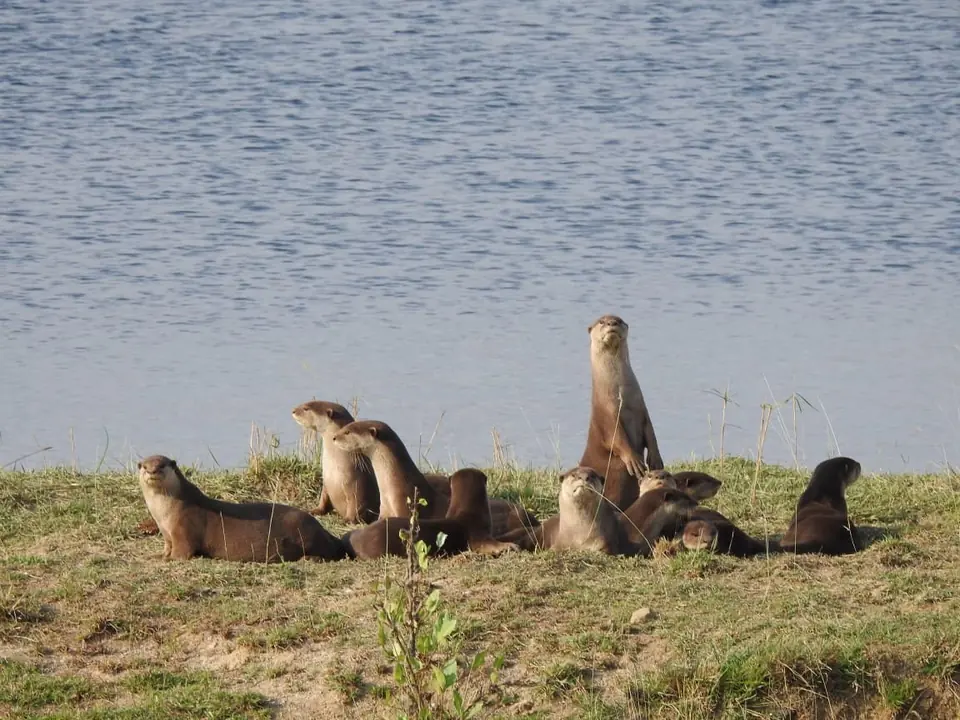
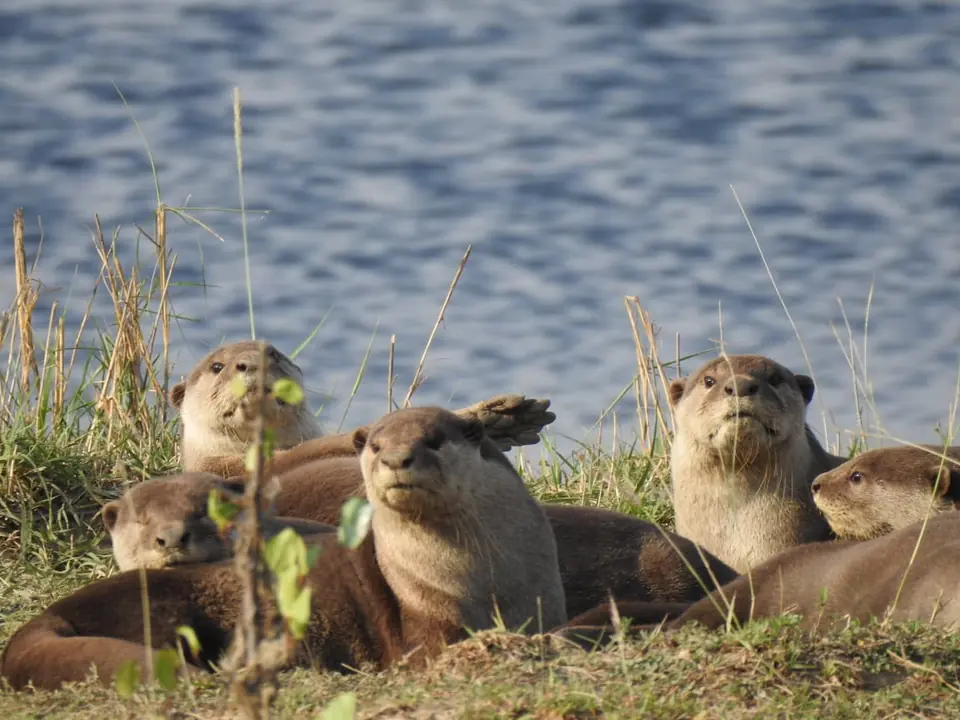
A family of smooth-coated otters standing alert on a grassy riverbank
An otter family on the bank — Mukundara Hills archive

Vulnerable · IUCN

Smooth-coated otters

Chambal, Kota to RawatbhataBest: winter morningsSee them on the Chambal Safari

Few sights on the Chambal match a family of smooth-coated otters (Lutrogale perspicillata) working a shallow bank — heads popping up together, fish flipped onto the rocks, then a noisy pile-up of grooming on the grass. The river between Kota and Rawatbhata, including the Jawahar Sagar and Bhainsrorgarh stretches of Mukundara, is one of Rajasthan's strongholds for the species.

Smooth-coated otters are listed as Vulnerable by the IUCN and are protected under India's Wildlife (Protection) Act. Your best chance is from a Chambal Safari boat early in the morning — keep voices low and let the boat drift.

Otters on the Chambal Safari →

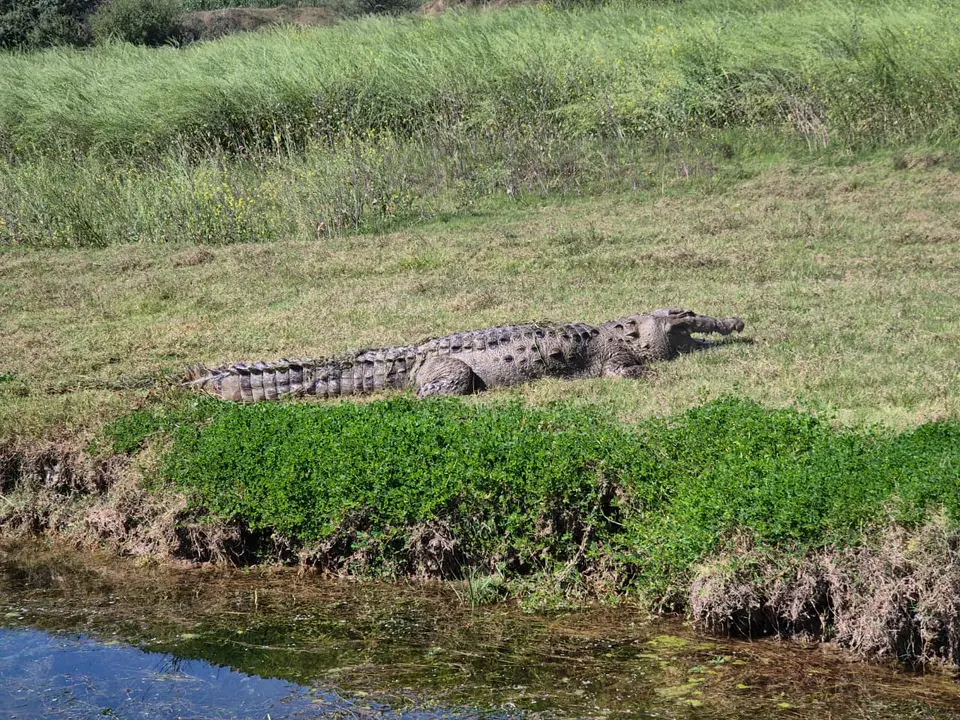
A mugger crocodile basking on a grassy bank beside water

Mugger crocodile

Crocodylus palustris

Seen on most Chambal trips, basking on rocks and banks on sunny winter mornings. About 80 muggers have also been released by the forest department at Sawan Bhadon dam inside the reserve.

See it onChambal safari · Sawan Bhadon dam

Photo: Mukundara Hills archive

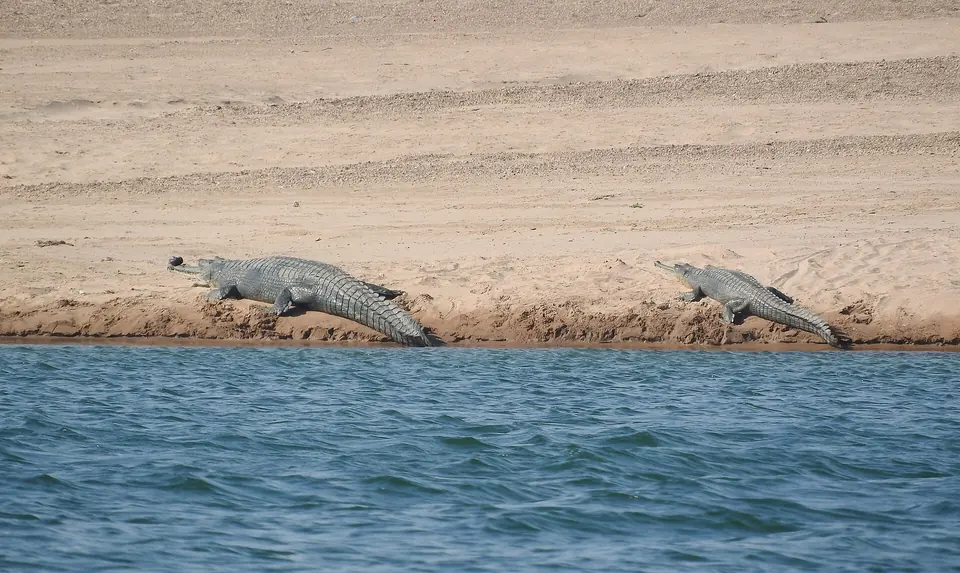
Male and female gharial basking on a sandbank of the Chambal

Gharial

Gavialis gangeticus

The slender-snouted, fish-eating crocodilian the National Chambal Sanctuary was created to protect. Look for them hauled out on sandbanks in the sanctuary stretch of the river.

See it onChambal safari · December – March

Photo: Hari Mohan Meena, CC BY-SA 4.0

Freshwater turtles bask at Kadap ka Khal and along quiet stretches of the river.

Birds · 225+ species

Vultures, owls and monsoon jewels

More than 225 bird species are estimated for the reserve. Cliffs, dry forest, shaded valleys and winter wetlands each hold their own set — so plan by season as much as by place.

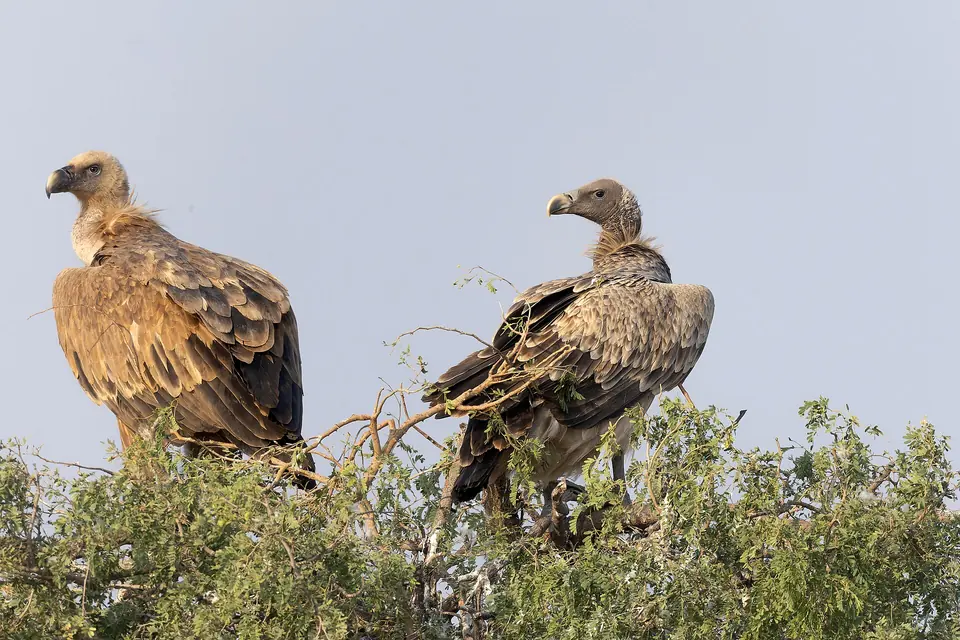
Two Indian vultures perched on a bush
Indian vultures. Photo: Tisha Mukherjee, CC BY-SA 4.0

Critically endangered

Vultures of the Chambal gorge

Gaipernath & Garadiya cliffsNesting: winterYear-round

The sheer sandstone walls of the Chambal gorge hold nesting colonies of the critically endangered Indian vulture (Gyps indicus), also called the long-billed vulture — a colony often described as one of the largest in the region. Watch for them wheeling above the cliffs of Gaipernath and Garadiya Mahadev on mid-morning thermals.

Egyptian vultures nest in the gorge as well, and in winter migratory vultures come to feed in Mukundara. Indian vulture numbers fell by more than 95% from the 1990s, largely because of the veterinary painkiller diclofenac; colonies like these matter for the species' recovery.

Watch from the viewpoints — never approach nest ledges, fly drones or play calls.

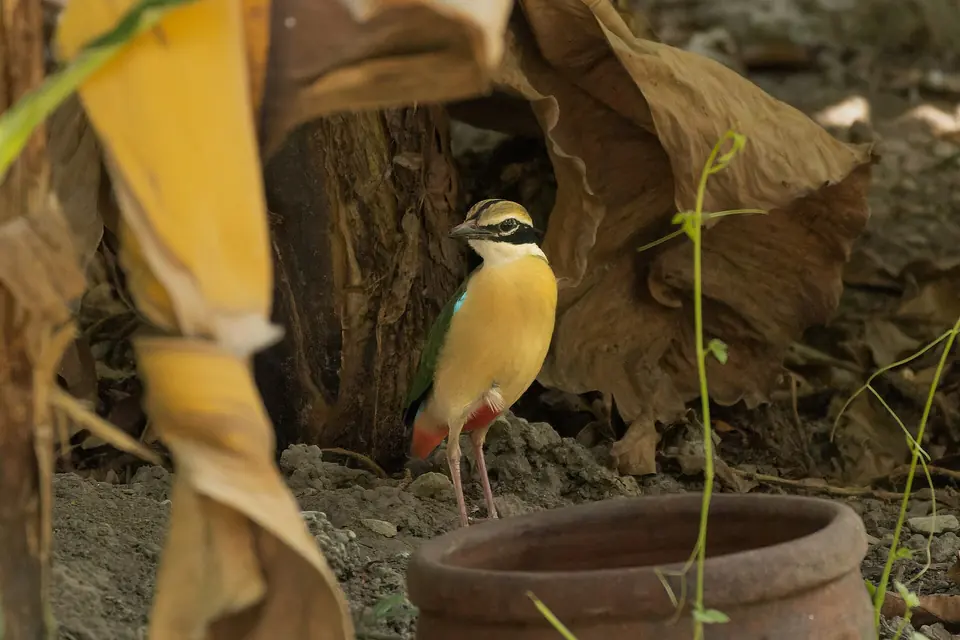
An Indian pitta on the forest floor

Indian pitta

Pitta brachyura

A burst of green, blue and crimson on the forest floor, arriving with the monsoon. Listen for its loud two-note whistle at dawn in shaded valleys.

WhenMonsoon · shaded valleys

Photo: Tisha Mukherjee, CC BY-SA 4.0

An Indian paradise flycatcher with long white tail streamers

Indian paradise flycatcher

Terpsiphone paradisi

Males trail ribbon-like tail streamers through the canopy along shaded streams — one of the most memorable birds of a monsoon walk.

WhenMonsoon · streams & valleys

Photo: Mildeep, CC BY-SA 4.0

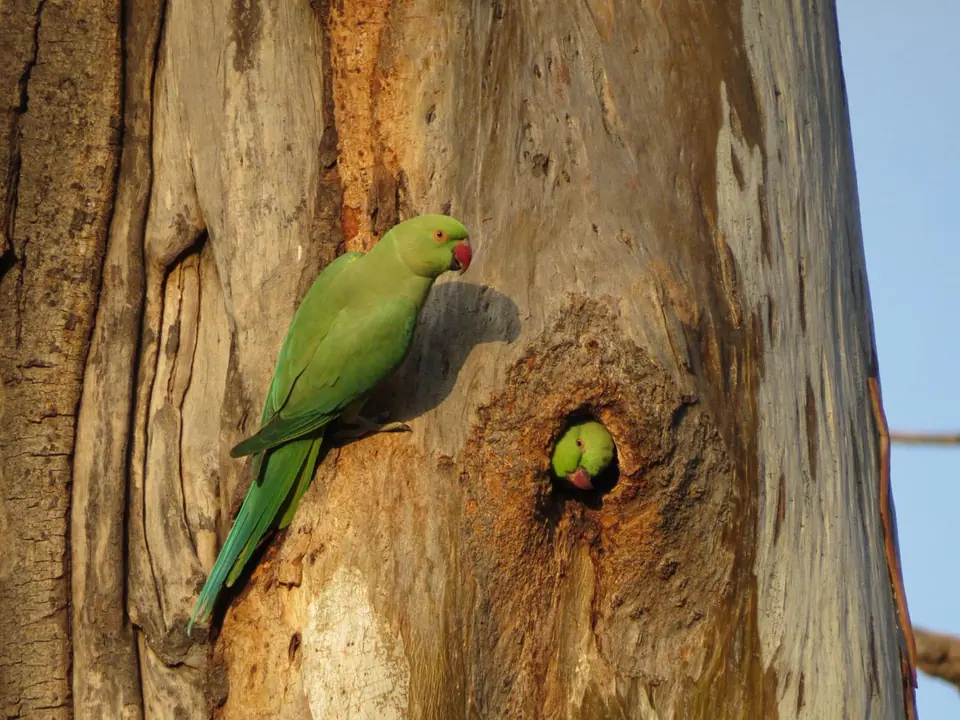
A green parakeet at its nest hole in a tree trunk

Parakeets

Several species, including the Alexandrine

Noisy flocks everywhere — including the large Alexandrine parakeet, the famous “Gagroni tota” of Gagron Fort, once found there in thousands.

WhereForests, forts & old trees · Gagron

Photo: Mukundara Hills archive

Raptors & owls

  • Indian vulture Gyps indicus
  • Egyptian vulture Neophron percnopterus
  • Bonelli's eagle Aquila fasciata
  • Crested serpent eagle
  • Indian eagle-owl Bubo bengalensis
  • Dusky eagle-owl Bubo coromandus
  • Brown fish owl Ketupa zeylonensis

Best from the Chambal boat and the gorge viewpoints at Garadiya and Gaipernath.

Wetlands & river birds

  • Sarus crane
  • Pelicans (winter)
  • Ruddy shelduck (winter)
  • Ducks, waders & storks
  • Stork-billed kingfisher
  • Cormorants & darters
  • Nightjars
  • Munias

The winter wetlands at Laxmipura, Nolav, Girdharpura and Shripura hold thousands of waterbirds from November to February.

Snakes & reptiles

Small, shy and worth respecting

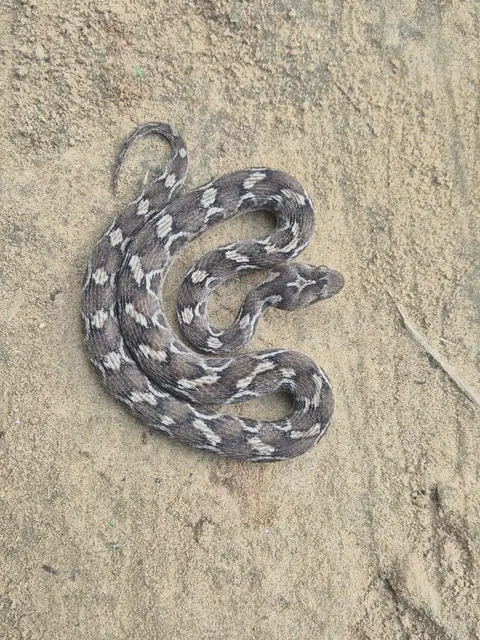
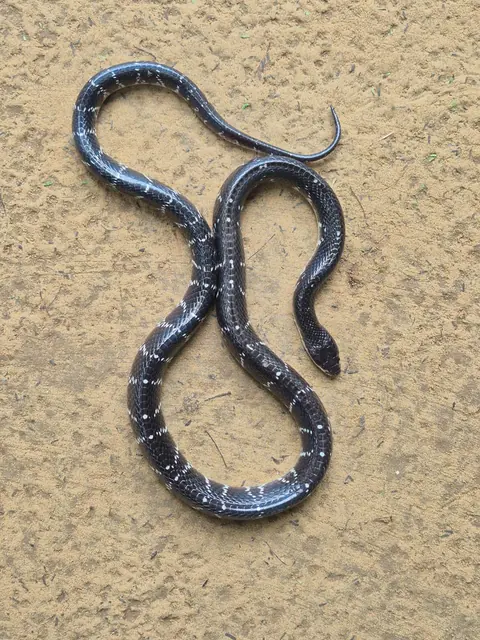
Mukundara's warm rocks and scrub shelter two of India's “big four” venomous snakes — the saw-scaled viper (Echis carinatus) and the common krait (Bungarus caeruleus). Both are shy and rarely seen by day, and they are an important part of a healthy forest.

  • Wear closed shoes and watch where you put your hands and feet on trails.
  • Carry a torch after dark, even around lodges and villages.
  • Never handle, corner or photograph a snake at close range — give it room and it will leave.
A saw-scaled viper coiled on sand
Saw-scaled viper — Mukundara Hills archive
A common krait with narrow white bands on sand
Common krait — Mukundara Hills archive

Sighting calendar

What each season brings

Pick your months by what you most want to see. Core-zone safaris usually pause for the monsoon, and Chambal trips stop when the river is high — check dates with us.

MonthsMammalsBirdsRiver
Oct – NovSafaris reopen; forest still dense, sightings build through the seasonFirst migrants arrive; raptors over the ridgesRiver settling after monsoon releases
Dec – FebCold dawns — animals stay active later into the morningPeak: wetland waterbirds, sarus crane, vultures nestingPeak: basking mugger and gharial, otters on the banks
Mar – JunBest for tiger, leopard and sloth bear at waterholesPalash and semal in flower draw birds in MarchGo at first light — the heat builds fast
Jul – SepCore-zone safaris usually closedIndian pitta and paradise flycatcher; breeding seasonTrips may be suspended when the river is high

Watch responsibly

Good wildlife manners

  • Stay in the vehicle and on the track; never ask a driver or boatman to crowd an animal.
  • Keep voices low, phones on silent and engines off when watching.
  • No feeding, playback of calls, drones or flash near nests and dens.
  • Keep well back from vulture nest ledges, otter holts and basking crocodiles.
  • Do not share live locations of tigers, nests or rock-art shelters on social media.
  • Carry out every scrap of plastic.

Wildlife FAQs

What animals can I see in Mukundara besides tigers?

Leopards, sloth bears, sambar, chital, chinkara, nilgai and wild boar on the tiger safari; Indian wolves, striped hyenas and jungle cats at dawn and dusk; smooth-coated otters, gharial and mugger crocodiles on the Chambal; and more than 225 bird species, including cliff-nesting Indian vultures.

Where can I see smooth-coated otters near Kota?

On the Chambal between Kota and Rawatbhata, including the Jawahar Sagar and Bhainsrorgarh stretches of Mukundara. A Chambal Safari boat trip early on a winter morning gives the best chance.

When is the best time for birdwatching in Mukundara?

November to February for wintering waterbirds at the Laxmipura, Nolav, Girdharpura and Shripura wetlands, and for vultures nesting on the Chambal cliffs. The monsoon (July–September) brings the Indian pitta and Indian paradise flycatcher.

Talk to us

Plan your Mukundara visit

Tiger safari by jeep or canter, a Chambal boat safari, wildlife trails or a heritage and rock-painting visit — send your dates and group size by WhatsApp, phone or email and we'll help you plan it.

Chat on WhatsApp